

Table of Contents - Hot Tub Therapy Benefits: The Evidence-Based Guide
This blog post may contain affiliate links. As an Amazon Associate I earn from qualifying purchases.
⚕️ Medical Disclaimer: The information in this article is for educational purposes only and does not constitute medical advice. Always consult a qualified healthcare professional before starting any new therapy, especially if you have a pre-existing health condition. Hot tub therapy is not a substitute for medical treatment.
Medically Reviewed by a Licensed Physical Therapist
If you’re dealing with aching joints, restless nights, or a body that simply won’t stop tensing up — you’ve probably wondered whether a hot tub could actually help. The answer, backed by a growing body of medical research, is often yes. Hot tub therapy benefits are not limited to relaxation. Clinical evidence documents measurable improvements in cardiovascular function, joint mobility, sleep quality, and pain management for several specific conditions.
Most people either dismiss hot tubs as a luxury item or assume they’re purely recreational — and in doing so, they miss out on clinically documented therapeutic benefits for conditions ranging from arthritis to poor sleep. In this guide, you’ll discover the evidence-based hot tub therapy benefits for your specific condition, plus exact protocols covering temperature, duration, and technique. We cover the underlying science, condition-specific routines, daily integration strategies, gender-specific considerations, and essential safety guidance.
“The warm water of a hot tub can stimulate blood circulation, soothe sore muscles, and alleviate stress, providing a holistic approach to wellness.”
Is Hot Tub Therapy Right for You?
Hot tub therapy is most beneficial if you:
- Live with chronic joint pain, arthritis, or muscle tension
- Experience poor sleep or high daily stress
- Are recovering from low-to-moderate physical activity
- Have been cleared by a doctor for warm-water immersion
⚠️ Not everyone is a candidate. Pregnant individuals, those with uncontrolled hypertension, and people with certain heart conditions should read the Safety section before soaking. Always consult your healthcare provider first.
Hot tub therapy benefits include proven relief for joint pain, improved cardiovascular function, and significantly better sleep — making it one of the most accessible forms of at-home hydrotherapy available today. The Hydrotherapy Prescription Framework structures your soak time, temperature, and jet placement to match your specific condition.
- The Hydrotherapy Prescription Framework tailors each session to your condition — not a one-size-fits-all soak
- Buoyancy reduces effective body weight by approximately 90% in chest-deep water, immediately relieving joint pressure (Arthritis Foundation)
- Passive heat therapy over 8 weeks has been shown to reduce arterial stiffness and lower mean arterial blood pressure (PubMed, 2017)
- 15–30 minutes per session is the evidence-based therapeutic window for most healthy adults
- Hot tubs are not suitable for everyone — see the Safety section for full contraindications
Science Behind Hot Tub Therapy
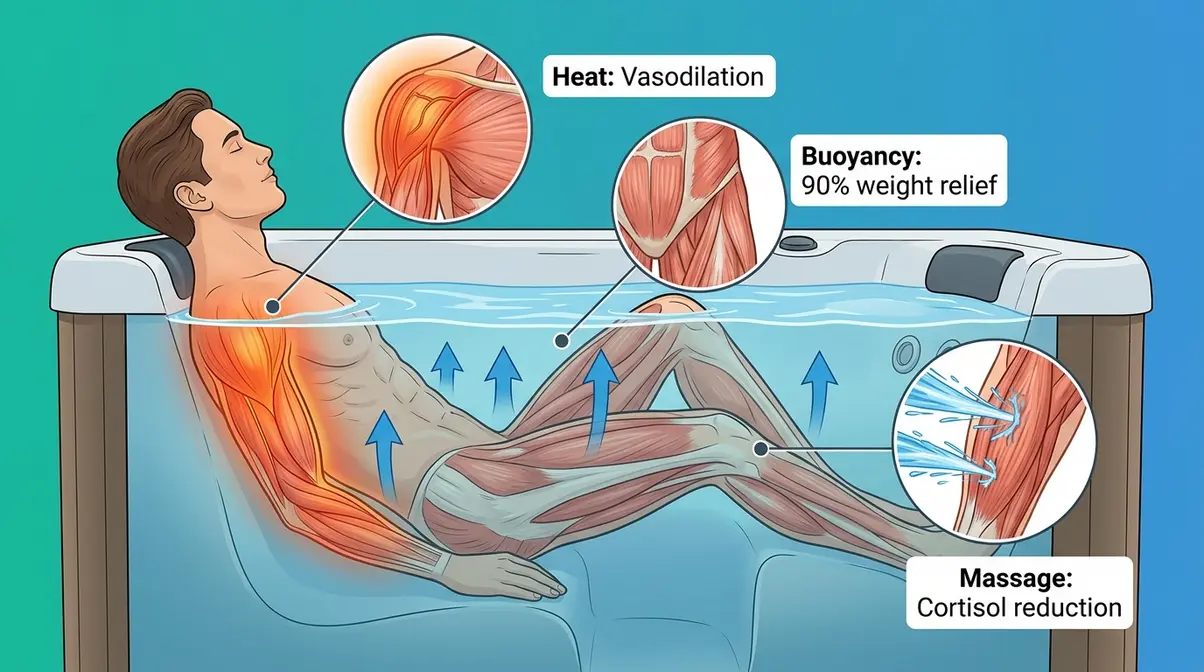
Hydrotherapy — the therapeutic use of water to treat physical and mental health conditions — has been practiced for thousands of years, but modern research has finally explained why it works. Hot tub therapy harnesses three distinct physiological mechanisms: heat, buoyancy, and massage. Understanding how each one operates helps you use your tub as a purposeful tool rather than a passive soak. This is the foundation of The Hydrotherapy Prescription Framework: a structured, condition-specific approach to hot tub use that matches temperature, duration, and technique to your health goal.
Heat, Buoyancy, and Massage
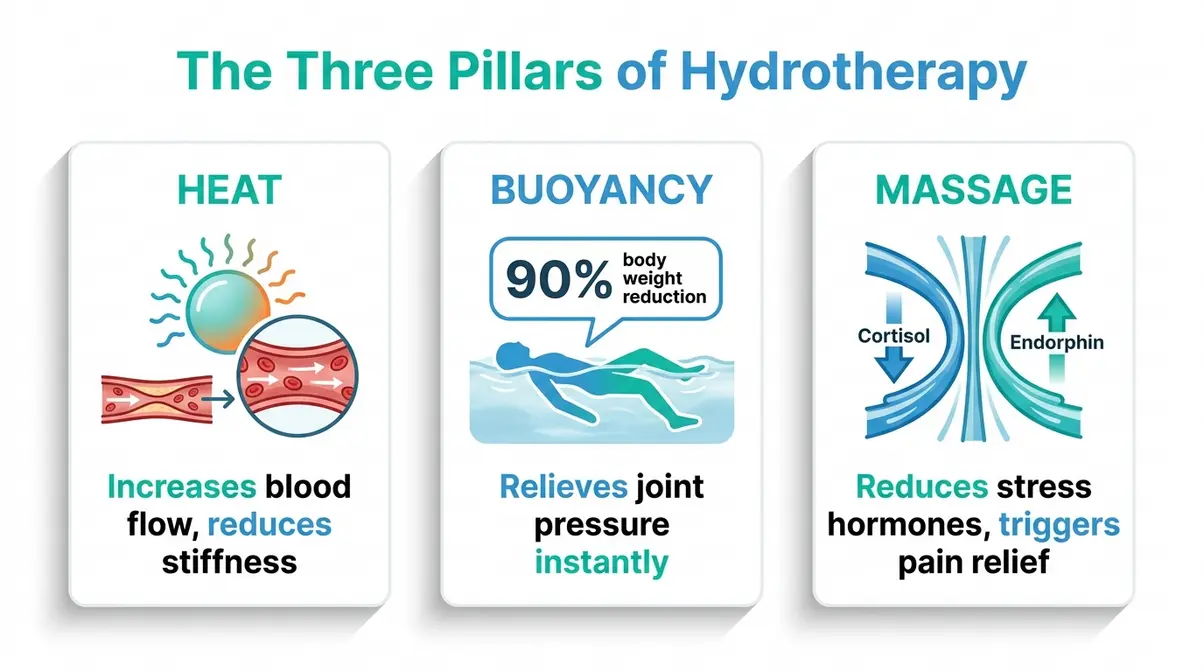
Heat is the first pillar. When you immerse yourself in water between 100°F and 104°F (38°C–40°C), your blood vessels dilate — a process called vasodilation. This increases blood flow to muscles and joints, reducing stiffness and delivering oxygen-rich blood where it’s needed most. Why does this matter for you? If you sit at a desk all day or wake up with stiff hips, that increased circulation is actively breaking down the tension that’s been building for hours.
Buoyancy is the second pillar. Water supports your body weight — in chest-deep water, buoyancy reduces effective body weight by approximately 90%, according to the Arthritis Foundation. That means a 180-pound person effectively weighs around 18 pounds while submerged. Joint pressure drops dramatically. Range of motion increases. Movements that would be painful on land become manageable in the water. For anyone with arthritis, recovering from surgery, or simply carrying extra weight, this mechanical relief is immediate and significant.
Massage is the third pillar. Hydrotherapy jets deliver targeted hydromassage — directed streams of water that stimulate muscle tissue, improve lymphatic drainage, and activate pressure receptors in the skin. Research suggests this type of mechanical stimulation reduces cortisol (the primary stress hormone) and triggers the release of endorphins, your body’s natural pain-relieving chemicals. The result: muscle tension drops, and mood often improves within a single session.
Cardiovascular and Circulation Benefits
The cardiovascular evidence is perhaps the most surprising aspect of hot tub medical benefits. A landmark study published in PubMed (2017) found that passive heat therapy — regular immersion in hot water over an 8-week period — significantly reduced arterial stiffness (the resistance your heart must overcome to pump blood) and lowered mean arterial blood pressure in sedentary adults. Passive heat therapy over 8 weeks significantly reduces arterial stiffness and lowers mean arterial blood pressure in sedentary adults — a finding that rivals the effects of moderate aerobic exercise.
More recently, research from the University of Oregon (2026) produced a counterintuitive finding: a hot tub soak may actually surpass sauna sessions for certain cardiovascular benefits, specifically in improving blood vessel function and reducing vascular resistance. This matters because millions of people who cannot exercise vigorously due to joint pain, obesity, or disability may still achieve meaningful cardiovascular improvement through regular hot tub immersion. Research from the University of Oregon suggests passive heating offers a viable, low-impact cardiovascular stimulus for those who cannot tolerate traditional exercise.
Always consult your doctor before using hot tub therapy as part of any cardiovascular management plan.
Mental Health and Sleep Benefits
Hot tub therapy’s effects on mental health operate through two distinct pathways. First, the cortisol-reduction effect of warm immersion and massage reduces physiological stress markers measurably. Second — and this is the mechanism that most directly improves sleep — a warm soak raises your core body temperature. When you exit the tub, your body temperature drops rapidly. That drop mimics the natural temperature decline your body initiates before sleep, signaling your circadian rhythm (your internal 24-hour clock) to begin the sleep process.
A 2019 meta-analysis published in Sleep Medicine Reviews (PubMed) found that warm water bathing 1–2 hours before bed improved sleep onset by an average of 10 minutes and significantly increased sleep quality scores. For the millions of adults dealing with insomnia or fragmented sleep, that’s a clinically meaningful outcome from a non-pharmaceutical intervention. Clinical evidence suggests that evening hydrotherapy is one of the most accessible and evidence-supported sleep hygiene tools available without a prescription.
Hot Tub Therapy for Specific Health Conditions
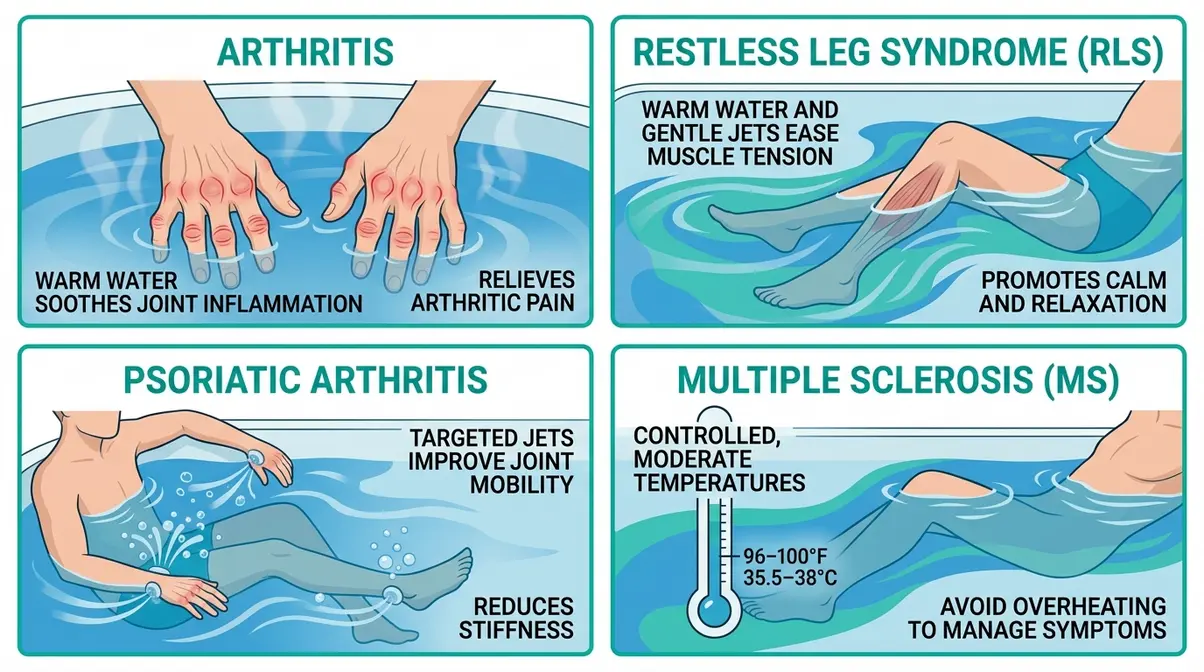
The most powerful application of The Hydrotherapy Prescription Framework is condition-specific therapy. Generic soaking provides some benefit, but matching your protocol — water temperature, session duration, jet placement, and timing — to your specific diagnosis produces measurably better outcomes. Below are four conditions for which the clinical evidence is strongest.
Does a hot tub help arthritis?
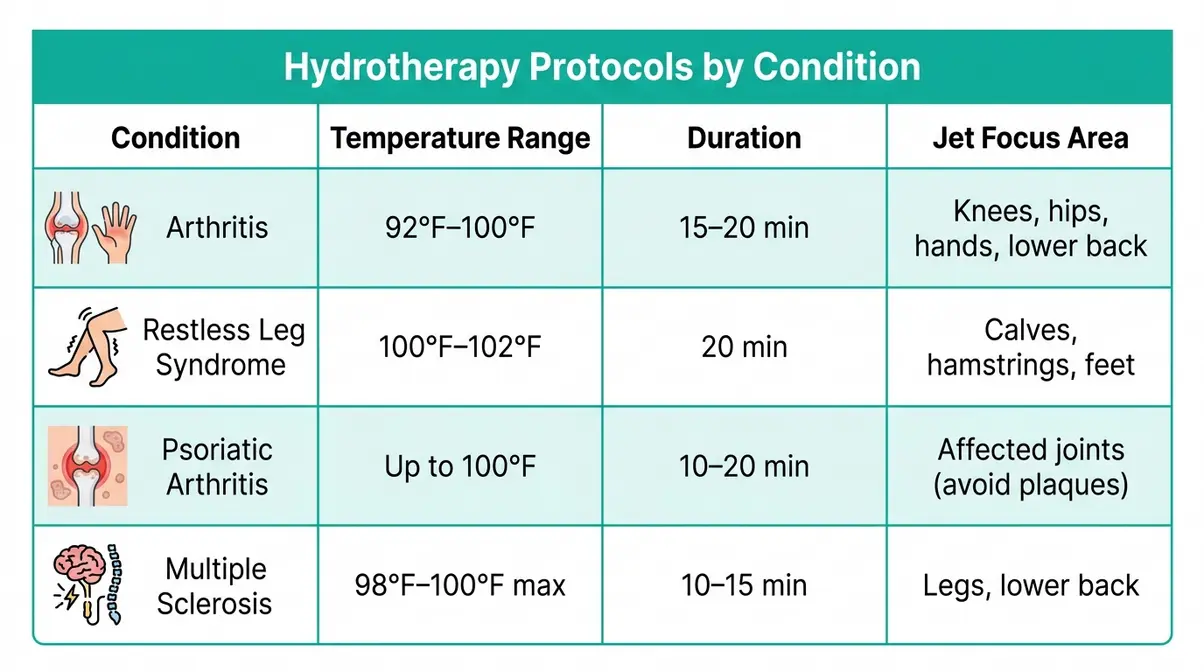
Arthritis affects over 54 million adults in the United States (CDC, 2026), making it one of the most common drivers of hot tub interest. The Arthritis Foundation explicitly endorses warm-water therapy as a complementary treatment, noting that the combination of heat and buoyancy reduces joint stiffness, improves range of motion, and decreases pain perception. The benefits of hot tub therapy for arthritis are well-supported: warm water at 92°F–100°F (33°C–38°C) relaxes the muscles surrounding inflamed joints, reducing the compressive forces that cause pain.
- Arthritis Hydrotherapy Protocol:
- Temperature: 92°F–100°F (33°C–38°C) — slightly lower than maximum to protect inflamed joints
- Duration: 15–20 minutes per session, once or twice daily
- Jet Placement: Direct jets toward affected joints — knees, hips, hands, or lower back
- Timing: Morning sessions help reduce the joint stiffness that peaks after overnight rest
- Post-Soak: Perform gentle range-of-motion exercises immediately after your soak while tissues are warm
Research highlighted by Healthline indicates that consistent warm-water therapy can reduce the need for pain medication in some patients — though you should never adjust medications without your doctor’s guidance. Consult your rheumatologist before beginning any hot tub therapy routine if you have a confirmed arthritis diagnosis.
Does a hot tub help with RLS?
Restless leg syndrome (RLS) — a neurological condition causing uncomfortable sensations and an irresistible urge to move the legs, especially at night — affects an estimated 7–10% of the U.S. population (NIH, National Institute of Neurological Disorders and Stroke). Despite its prevalence, RLS is almost entirely absent from competitor articles on hot tub therapy. That’s a significant gap, because warm-water immersion addresses two of the primary RLS triggers: poor circulation and muscle tension.
- RLS Hydrotherapy Protocol:
- Temperature: 100°F–102°F (38°C–39°C)
- Duration: 20 minutes, 60–90 minutes before bedtime
- Jet Placement: Focus jets on calves, hamstrings, and the soles of the feet — the areas where RLS sensations most commonly originate
- Technique: Alternate between directing jets on each leg for 5-minute intervals rather than continuous bilateral exposure
- Consistency: Daily evening sessions show the strongest symptom reduction in reported community outcomes
The warm water improves peripheral circulation (blood flow to the extremities), while the mechanical massage of the jets reduces the muscle hyperactivity that triggers RLS episodes. Clinical evidence is still emerging, but the National Sleep Foundation acknowledges warm bathing as a recognized self-management strategy for RLS. Discuss this protocol with your neurologist, particularly if you are on dopaminergic medications.
Is a hot tub good for PsA?
Psoriatic arthritis (PsA) — an inflammatory condition affecting the joints of people who have psoriasis — presents a unique therapeutic challenge because it involves both joint inflammation and sensitive, often broken skin. Warm-water therapy can benefit PsA by reducing joint stiffness and improving mobility, but the approach requires careful modification.
- PsA Hydrotherapy Protocol:
- Temperature: Keep water at or below 100°F (38°C) (per Arthritis Foundation guidelines) — higher temperatures can trigger psoriasis flares
- Duration: 10–15 minutes initially; extend to 20 minutes if skin tolerates it
- Jet Placement: Gentle pressure on affected joints; avoid directing high-pressure jets at active psoriasis plaques
- Water Chemistry: Maintain proper pH (7.2–7.8) and sanitizer levels to reduce infection risk, which is elevated in PsA patients on immunosuppressant medications
- Post-Soak: Pat skin dry gently and apply prescribed moisturizer immediately to lock in hydration
The Arthritis Foundation notes that hydrotherapy is frequently recommended by rheumatologists as a complementary therapy for PsA. Always consult your rheumatologist before starting hot tub therapy if you are on biologic medications, as immunosuppression changes infection risk calculations significantly.
Therapy for Multiple Sclerosis
Multiple sclerosis (MS) — a chronic autoimmune disease affecting the central nervous system — requires special consideration with hot tub therapy. Many people with MS experience Uhthoff’s phenomenon: a temporary worsening of symptoms when body temperature rises. This means standard hot tub temperatures can be counterproductive or unsafe for some MS patients.
However, a systematic review published in the International Journal of MS Care found that carefully controlled warm-water therapy — at temperatures no higher than 98°F–100°F (37°C–38°C) — can improve muscle spasticity (abnormal muscle tightness), fatigue, and overall quality of life in people with relapsing-remitting MS, provided sessions are short and body temperature is monitored.
- MS Hydrotherapy Protocol:
- Temperature: 98°F–100°F (37°C–38°C) maximum — do not exceed
- Duration: 10–15 minutes only; exit immediately if any symptom worsening occurs
- Monitoring: Have someone present during the first several sessions
- Jet Placement: Gentle massage on spastic muscle groups — typically legs and lower back
- Contraindication: If you experience Uhthoff’s phenomenon at any temperature, discontinue and consult your neurologist
This protocol is only appropriate with explicit approval from your neurologist. MS is highly individual, and this guidance does not replace a personalized clinical recommendation.
Daily Hot Tub Therapy Routines
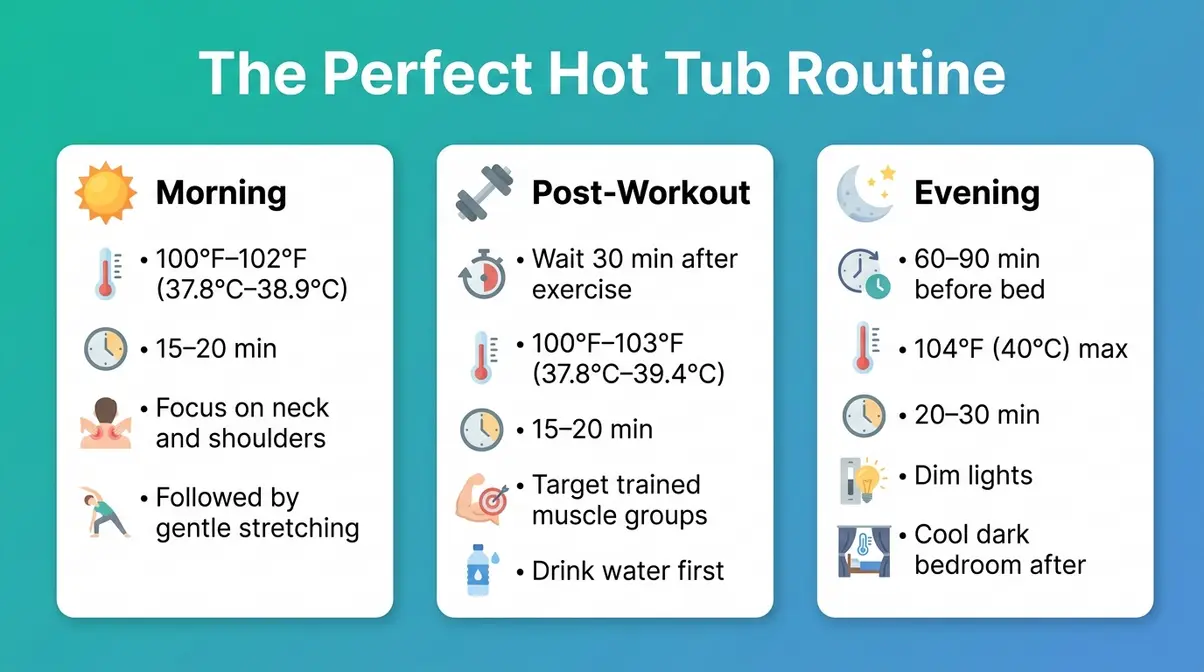
Knowing the science is one thing. Building a sustainable routine is another. The Hydrotherapy Prescription Framework recognizes that when you soak matters nearly as much as how you soak. The three primary timing windows — morning, post-workout, and evening — each serve a different physiological purpose.
Morning Soaks to Start Your Day
A morning soak targets the phenomenon most arthritis and chronic pain sufferers know well: morning stiffness. Joint fluid becomes less viscous (thinner and more lubricating) as the body warms up, and hot water accelerates this process dramatically. Research from the Arthritis Foundation supports morning warm-water immersion as a practical strategy for improving functional mobility at the start of the day.
- Morning Soak Protocol:
- Temperature: 100°F–102°F (38°C–39°C)
- Duration: 15–20 minutes
- Focus: Neck, shoulders, and lower back — areas where overnight tension concentrates
- Transition: Follow with 5 minutes of gentle stretching while your muscles are still warm
A morning soak is particularly effective for people with rheumatoid arthritis or fibromyalgia, where the first hour of the day is often the most painful. If your schedule allows it, a consistent 7:00 a.m. soak can meaningfully reduce the stiffness window that otherwise limits your morning productivity.
Post-Workout Muscle Recovery
Post-exercise hydrotherapy is one of the most evidence-supported applications of hot tub therapy. Delayed-onset muscle soreness (DOMS) — the stiffness and pain that peaks 24–48 hours after exercise — is driven by microscopic muscle fiber damage and subsequent inflammation. Warm-water immersion accelerates the clearance of metabolic byproducts (such as lactic acid) from muscle tissue and reduces inflammatory markers.
A 2013 study in the Journal of Strength and Conditioning Research found that warm-water immersion post-exercise significantly reduced perceived muscle soreness at the 24-hour and 48-hour marks compared to passive recovery. For recreational athletes and gym-goers, this translates to faster return to training and less downtime.
- Post-Workout Protocol:
- Timing: Wait 30 minutes after intense exercise before entering — let your heart rate normalize first
- Temperature: 100°F–103°F (38°C–39.5°C)
- Duration: 15–20 minutes
- Jet Placement: Target the specific muscle groups you trained — quads after leg day, shoulders after upper-body sessions
- Hydration: Drink 16 oz of water before entering; dehydration risk increases post-exercise
Evening Soaks for Better Sleep
The evening soak is arguably the most scientifically well-supported timing window for hot tub use. As discussed in the science section, the core body temperature drop that follows a warm soak directly triggers sleep onset mechanisms. The 2019 meta-analysis in Sleep Medicine Reviews (PubMed) — which analyzed 17 studies involving over 1,200 participants — concluded that bathing in warm water (40°C–42.5°C) 1–2 hours before bed improved subjective sleep quality and reduced sleep onset latency (the time it takes to fall asleep) by an average of 10 minutes.
- Evening Sleep Protocol:
- Timing: 60–90 minutes before your target bedtime — not immediately before
- Temperature: 104°F (40°C) maximum
- Duration: 20–30 minutes
- Environment: Dim the surrounding lighting; minimize screen exposure after exiting
- Transition: Move directly to a cool, dark bedroom — the contrast amplifies the sleep-onset signal
For people with insomnia or delayed sleep phase, consistency matters more than any single session. Clinical evidence suggests 3–4 evenings per week produces the most sustained improvement in sleep architecture (the quality and structure of your sleep cycles).
Hot Tub Benefits for Men and Women
While the core physiological mechanisms of hydrotherapy apply to everyone, certain health concerns are more prevalent — or present differently — across biological sexes. This section addresses the most commonly asked gender-specific questions about hot tub therapy.
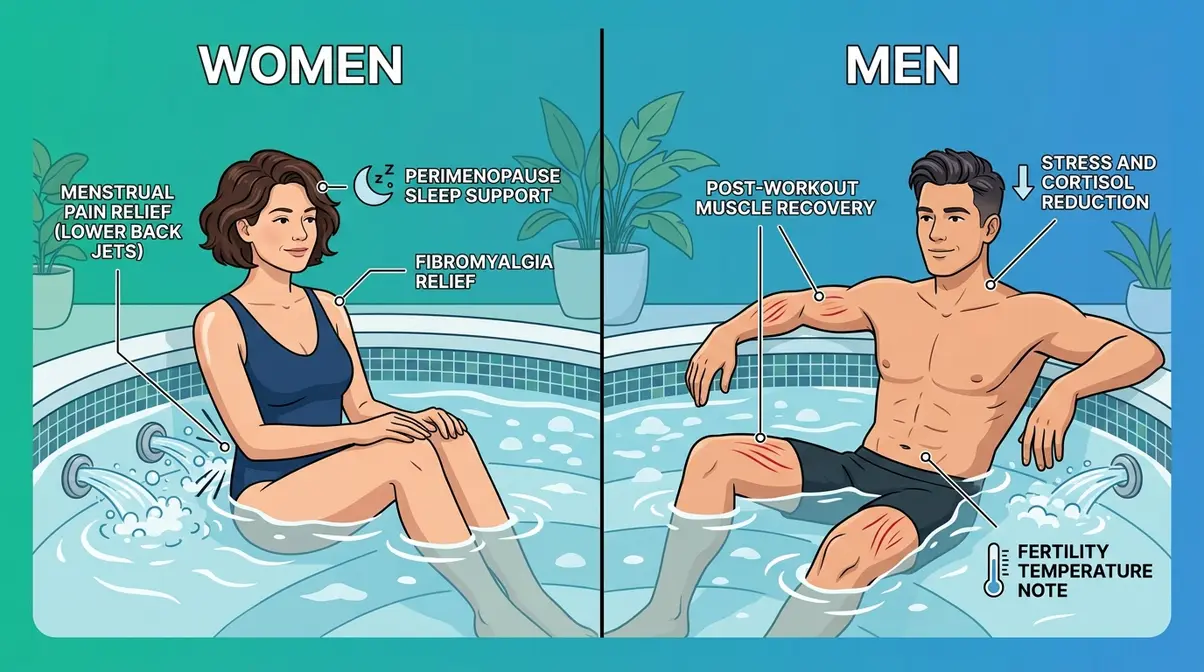
Hot Tub Benefits for Women
Women report some of the highest rates of hot tub use for therapeutic purposes, and the evidence for several female-specific applications is growing. Warm-water immersion has been studied as a complementary approach for:
Menstrual Pain (Dysmenorrhea): Applying heat to the lower abdomen and lower back reduces uterine muscle cramping by promoting vasodilation and reducing prostaglandin-driven inflammation. A 2018 study published in Evidence-Based Complementary and Alternative Medicine found heat therapy was as effective as ibuprofen for primary dysmenorrhea in a controlled trial. Hot tub jets directed at the lower back and abdomen during the first 1–2 days of menstruation may provide meaningful relief.
Perimenopause and Menopause Symptoms: Research is more preliminary here, but some evidence suggests that regular warm-water immersion can help regulate sleep disruption and mood instability associated with hormonal fluctuation during perimenopause. The sleep-improvement mechanism is particularly relevant, as insomnia is one of the most common complaints during this life stage.
Fibromyalgia: Women are diagnosed with fibromyalgia at roughly 7 times the rate of men (NIH). Balneotherapy (mineral water bathing) studies — the closest clinical analog to hot tub hydrotherapy — consistently show reductions in pain scores, fatigue, and stiffness in fibromyalgia patients. Consult your physician before beginning.
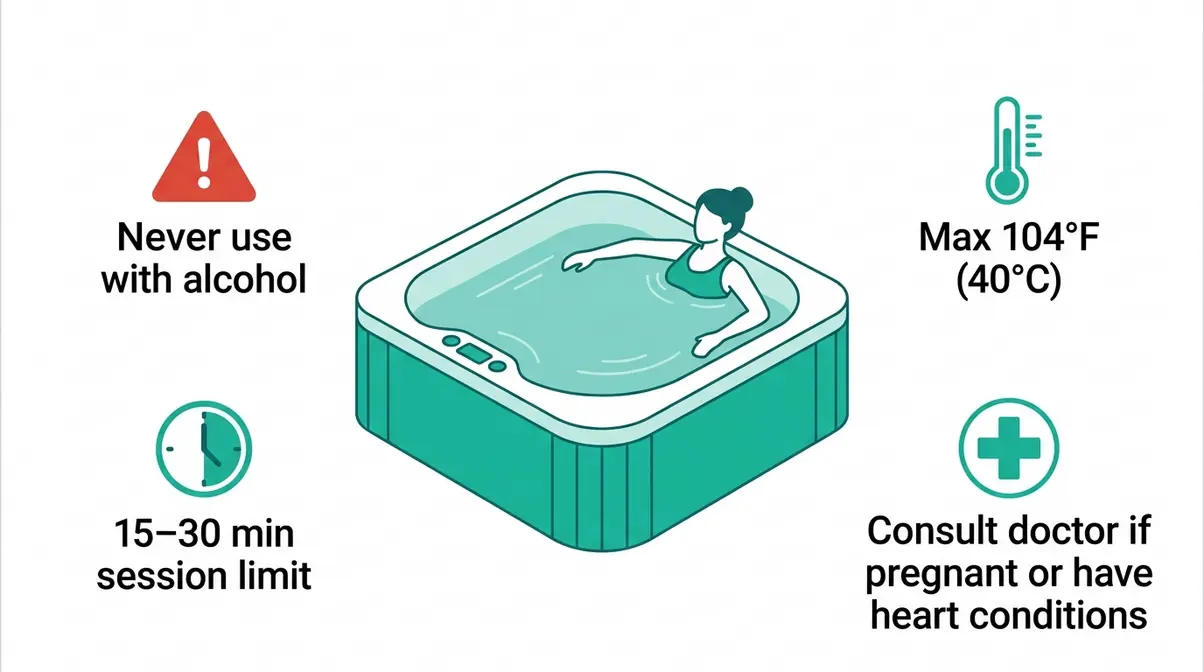
⚠️ Pregnancy Note: Hot tub use during pregnancy — especially in the first trimester — carries risk of neural tube defects from elevated core body temperature. The American College of Obstetricians and Gynecologists advises pregnant individuals to avoid hot tubs. This is a firm contraindication, not a caution.
Hot Tub Benefits for Men
Men frequently cite post-workout recovery and stress management as their primary motivations for hot tub therapy. Both are well-supported. Beyond those applications, two areas warrant specific attention:
Prostate Health Concerns (PSA Levels): A common search question is whether hot tub therapy affects prostate-specific antigen (PSA) levels — a blood marker used to screen for prostate cancer. There is no strong clinical evidence that hot tub use directly lowers PSA levels. Some studies suggest that vigorous cycling immediately before a PSA blood test can artificially elevate readings, but hot tub soaking has not been shown to have the same effect. If you have concerns about your PSA levels, speak with your urologist — this is not an area where self-administered hydrotherapy is an appropriate intervention.
Testosterone and Fertility: Prolonged exposure to high heat (above 104°F / 40°C) can temporarily reduce sperm count and motility. This effect is reversible, but men who are actively trying to conceive should limit hot tub sessions to under 15 minutes and keep temperature at or below 102°F (39°C). The American Urological Association notes this is a temporary, heat-dependent effect — not a permanent condition.
Stress and Cortisol Reduction: Men report high rates of work-related stress, and the cortisol-lowering effects of warm-water immersion are well-documented. A 15–20 minute evening soak is a measurably effective, drug-free stress management tool supported by clinical evidence.
Hot Tub Safety and Best Practices
Hot tub therapy is powerful precisely because it produces real physiological changes — which also means it carries real risks if used incorrectly. This section covers who should avoid hot tubs, how long to soak safely, and how to keep your water clean enough to protect your health.
Who Should Avoid Hot Tubs?
Certain populations face elevated risk from hot tub use. The following contraindications are drawn from CDC and Mayo Clinic guidance:
- Absolute Contraindications (Do Not Use Without Physician Clearance):
- Pregnancy (especially first trimester)
- Uncontrolled high blood pressure or recent cardiovascular event
- Active skin infections, open wounds, or eczema flares
- Severe peripheral neuropathy (inability to detect temperature accurately)
- Fever — adding external heat to an already-elevated body temperature is dangerous
- Use With Caution (Consult Your Doctor First):
- Controlled hypertension on medication
- Type 1 or Type 2 diabetes (heat affects blood sugar and circulation)
- Multiple sclerosis (Uhthoff’s phenomenon risk — see MS protocol above)
- People taking sedatives, alcohol, or anticoagulants
- Elderly adults (reduced thermoregulation efficiency)
The Mayo Clinic notes that the combination of hot water and alcohol is particularly dangerous — alcohol impairs your body’s ability to regulate temperature and increases drowning risk. Never use a hot tub while consuming alcohol.
How long should you soak?
The evidence-based answer is 15–30 minutes per session for most healthy adults — but this range depends on water temperature, your health status, and your therapeutic goal.
| Water Temperature | Maximum Safe Duration | Notes |
|---|---|---|
| 98°F–100°F (37°C–38°C) | Up to 30 minutes | Safe for most adults; MS-appropriate range |
| 100°F–102°F (38°C–39°C) | 20–25 minutes | Standard therapeutic range |
| 102°F–104°F (39°C–40°C) | 15–20 minutes | Maximum recommended; exit if dizzy |
| Above 104°F (40°C) | Not recommended | Exceeds CDC safety guidelines |
Signs to Exit Immediately: Dizziness, nausea, lightheadedness, rapid heartbeat, or skin that feels uncomfortably hot. These indicate your core body temperature is rising dangerously. Sit in a cool area, hydrate, and if symptoms persist, seek medical attention.
The CDC recommends a maximum water temperature of 104°F (40°C) for public and residential hot tubs. Many therapeutic applications work effectively at lower temperatures — cooler water allows longer, more comfortable sessions.
Hygiene and Water Quality Risks
Poorly maintained hot tub water is a genuine health risk — and one that’s entirely preventable. The CDC identifies hot tubs as a common source of recreational water illness (RWI) outbreaks, primarily from bacteria such as Pseudomonas aeruginosa (causing “hot tub rash”) and Legionella (causing Legionnaires’ disease, a serious form of pneumonia).
Can norovirus survive in a hot tub? Norovirus is sensitive to proper chlorine levels. A well-maintained hot tub with a free chlorine level of 3–10 ppm (parts per million) and a pH of 7.2–7.8 will inactivate norovirus rapidly. However, if water chemistry is out of range — which happens more quickly in hot tubs than pools because heat degrades chlorine faster — the risk increases. The CDC recommends checking hot tub chemistry at least twice daily if the tub is used frequently.
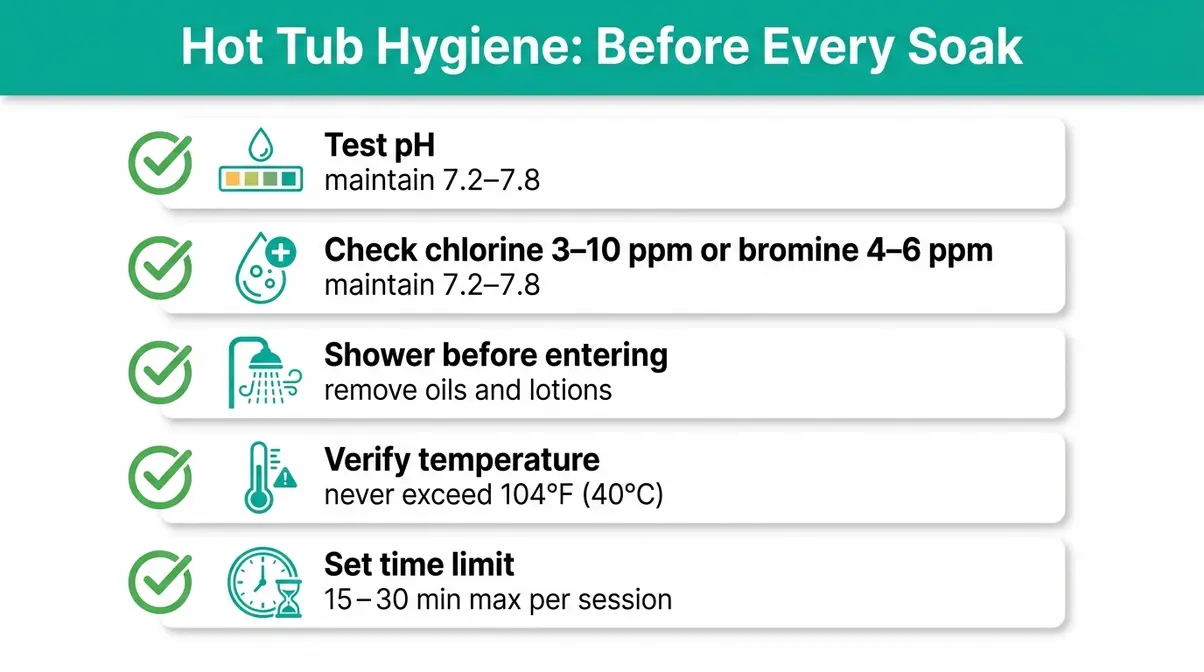
Essential Water Maintenance Checklist:
- ✅ Test pH and chlorine/bromine levels before every use
- ✅ Maintain free chlorine at 3–10 ppm (or bromine at 4–6 ppm)
- ✅ Maintain pH between 7.2 and 7.8
- ✅ Shower before entering — body oils, lotions, and cosmetics overwhelm sanitizer quickly
- ✅ Change water every 3–4 months (or per manufacturer guidelines)
- ✅ Clean and inspect filters monthly
When to Choose Alternatives: If you have an active skin condition, a compromised immune system, or a recent surgical wound, even a well-maintained hot tub carries elevated infection risk. In these cases, physical therapy in a clinical hydrotherapy pool (which is held to stricter sanitation standards) may be a safer alternative. Speak with your physician or physical therapist about clinical options.
Frequently Asked Questions
What is hot tub therapy good for?
Hot tub therapy is most effective for joint pain, muscle soreness, stress reduction, and sleep improvement. Clinical evidence supports its use as a complementary treatment for arthritis, restless leg syndrome, fibromyalgia, and post-exercise recovery. The three mechanisms — heat, buoyancy, and hydromassage — each address different physiological needs. For example, buoyancy reduces joint pressure by approximately 90% in chest-deep water (Arthritis Foundation), making movement possible for people who find land-based exercise painful. It is not a standalone medical treatment, but a well-documented complementary therapy.
Can norovirus survive in a hot tub?
Norovirus cannot survive in a properly maintained hot tub. A free chlorine level of 3–10 ppm at the correct pH (7.2–7.8) rapidly inactivates norovirus and most other waterborne pathogens (CDC). The risk arises when water chemistry falls out of range — which happens faster in hot tubs than in pools because elevated temperatures degrade chlorine more quickly. Test your water before every use, and shower before entering to avoid introducing contaminants that overwhelm your sanitizer. A well-maintained tub is safe; a neglected one is not.
What are the negatives of a hot tub?
Hot tubs carry real risks, including infection, dehydration, heat exhaustion, and drug interactions. Poorly maintained water can harbor Legionella bacteria and Pseudomonas aeruginosa (CDC). Combining hot tub use with alcohol is particularly dangerous, as alcohol impairs thermoregulation. People with cardiovascular conditions, diabetes, or pregnancy face elevated risk and should seek medical clearance first. Prolonged high-temperature soaking can temporarily reduce male fertility. Financial and maintenance costs are also significant — proper water chemistry requires consistent testing and chemical management. None of these risks are reasons to avoid hot tubs entirely, but they are reasons to use them correctly.
Can hot tubs help back pain?
Yes, hot tubs can provide significant relief for lower back pain. The buoyancy of the water relieves pressure on the lumbar spine, while the heat promotes blood flow to tight muscles. Targeted jets can also act as a deep tissue massage for the lower back. For best results, soak for 15-20 minutes at a moderate temperature. Always consult a physical therapist for persistent back issues.
Is it safe to soak every day?
For most healthy adults, it is perfectly safe to use a hot tub every day. Daily sessions can help maintain joint flexibility, manage chronic stress, and improve sleep consistency. However, it is important to limit each session to 15-30 minutes and stay hydrated. Individuals with specific medical conditions should consult their doctor before establishing a daily routine.
What temperature is best?
The best temperature for hot tub therapy is typically between 100°F and 102°F (38°C-39°C). This range provides therapeutic heat without overwhelming the cardiovascular system. For conditions like multiple sclerosis or psoriatic arthritis, lower temperatures around 98°F (37°C) are recommended by health professionals. The CDC advises never exceeding 104°F (40°C) to prevent heat exhaustion. Always test the water before entering.
Does it help with weight loss?
Hot tub therapy is not a direct weight loss tool, but it can support a healthy lifestyle. While passive heating burns a small number of calories, it does not replace active exercise. However, by improving sleep quality and reducing muscle soreness, a hot tub can help you recover faster and maintain a consistent workout schedule. It should be viewed as a recovery aid rather than a primary weight loss method.
Your Hydrotherapy Starting Point
Hot tub therapy benefits are real, measurable, and accessible — but only when applied with the right structure. The evidence reviewed here spans cardiovascular function, joint pain, sleep quality, stress management, and condition-specific applications including PsA, RLS, and MS. Passive heat therapy over 8 weeks reduces arterial stiffness (PubMed, 2017). Buoyancy removes up to 90% of effective body weight, immediately relieving joint pressure (Arthritis Foundation). Evening soaks reduce sleep onset time by an average of 10 minutes (Sleep Medicine Reviews, 2019). These are not wellness claims — they are peer-reviewed findings.
The Hydrotherapy Prescription Framework exists because generic soaking produces generic results. When you match temperature, duration, jet placement, and timing to your specific condition, you transform a relaxation tool into a structured therapeutic protocol. That precision is what separates evidence-based hydrotherapy from a simple soak.
Your next step is practical: identify your primary condition from this guide, review the corresponding protocol, and discuss it with your healthcare provider before your first therapeutic session. Start with 15 minutes at 100°F (38°C), monitor how your body responds, and build from there. The Cleveland Clinic and the Arthritis Foundation both support warm-water therapy as a valuable complementary tool — your doctor can help you determine whether it fits your specific health picture. Begin with one targeted session this week, and track what changes.